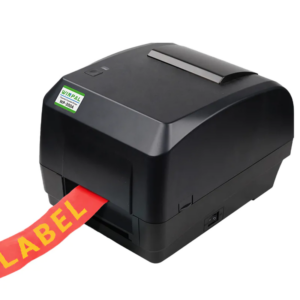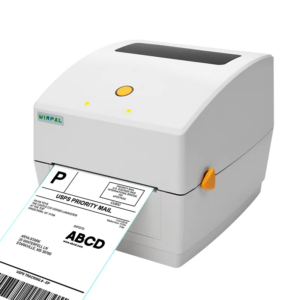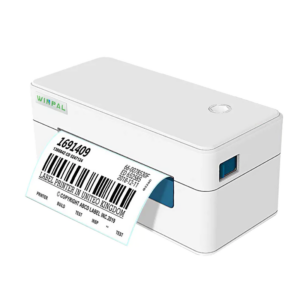
As we work closely with different partners across retail, logistics, and payment system integration, we are often asked whether a thermal printer will eventually run out of ink. At Winpal, we explain that thermal printers do not rely on traditional ink cartridges or toner. Instead, they operate through heat-sensitive printing technology. This distinction shapes decisions for procurement teams and helps them determine which devices fit their operational needs. As a thermal printer manufacturer, we continue to clarify this topic for clients evaluating long-term maintenance requirements and budgeting for consumables.
How Thermal Printing Technology Avoids Ink Consumption
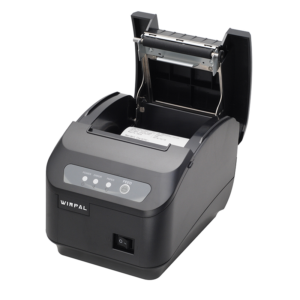
Many clients initially assume thermal printers use ink because most printing devices in their workflow rely on cartridges or ribbons. However, a thermal printer uses a print head that applies controlled heat to special thermal paper. This process forms text or graphics without any ink-based medium. For procurement managers evaluating consumable costs, this feature reduces replenishment steps and simplifies stock planning. Our role as thermal printer suppliers includes helping teams compare maintenance patterns between ink-based models and thermal systems so they can optimize deployment in high-volume environments.
Practical Considerations for Daily Operations
Understanding that thermal printers do not run out of ink allows businesses to focus instead on paper quality, heat sensitivity, and device durability. Our company supports many distributors and software partners who rely on stable printing during peak transaction periods. To illustrate practical usage, we often reference our WP-A2 Thermal POS Ticket Printer. It supports online IAP updates, maintains compatibility with ESC/POS, and includes functions for queuing and avoiding missed orders. These features demonstrate how a device built for commercial settings can reduce printing interruptions and help maintain orderly workflows. With experience across varied industries, we continue to provide guidance based on real operational conditions rather than assumptions about ink consumption.
Why Businesses Still Ask About Ink Usage
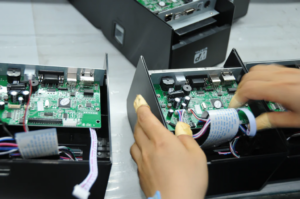
Even though thermal printers do not run out of ink, the question itself reflects a need for clarity during procurement and system integration. Managers want assurance that long-term usage will not involve unexpected consumables. Our company’s controllable supply chain—from production to packaging and quality inspection—helps us provide accurate information about reliability and lifecycle expectations. With more than a decade of R&D experience and a professional technical team, we support OEM and ODM customization for partners who require tailored specifications. As a thermal printer manufacturer, we maintain consistent communication to ensure all product details align with operational needs. At the same time, we collaborate with distributors as trusted thermal printer suppliers who offer dependable delivery schedules, typically fulfilling orders such as 1,000 units within 7 to 15 days.
Conclusion
In summary, a thermal printer does not run out of ink because its printing mechanism relies solely on thermal reactions with specialized paper. The focus for businesses should instead be on selecting reliable hardware, maintaining compatible supplies, and ensuring systems fit their workflow demands. At Winpal, we continue supporting partners with accurate information, consistent production capabilities, and solutions that reflect the expectations of commercial environments. Whether assisting importers, wholesalers, or technical teams, we aim to provide clarity on how thermal printing technology functions and how it contributes to stable daily operations.