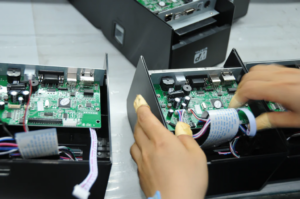
Printing technology choices have a direct impact on efficiency, cost control, and output durability across retail, logistics, and service environments. Among the most common options, direct thermal and thermal transfer printing often raise questions for buyers comparing performance and long-term value. These differences are not just technical details; they affect maintenance cycles, consumable costs, and application suitability. Through years of industry collaboration, we’ve observed how every thermal printer manufacturer must clearly understand these distinctions to support customers effectively. This shared understanding also guides how our team works at Winpal alongside global thermal printer suppliers.
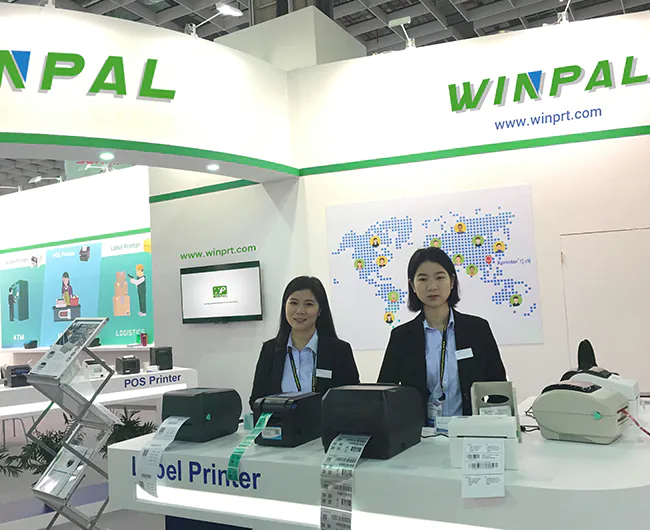
How Direct Thermal Printing Works in Daily Applications
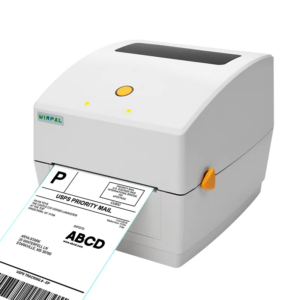
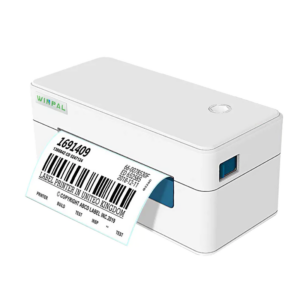
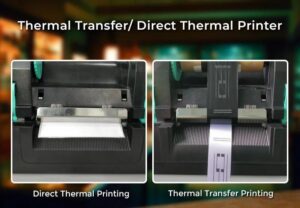
Direct thermal printing relies on heat-sensitive paper that darkens when exposed to the print head. This approach eliminates the need for ribbons or ink, simplifying the printing process and reducing consumable management. As a result, direct thermal printers are widely used for receipts, tickets, and short-term labels.
From a production standpoint, a thermal printer manufacturer designs direct thermal devices to prioritize speed and mechanical simplicity. These printers perform reliably in high-frequency environments such as retail checkout counters. However, direct thermal prints may fade over time when exposed to heat or sunlight, making them less suitable for long-term labeling. Understanding these trade-offs allows thermal printer suppliers to recommend the right solution based on usage conditions rather than price alone.
Thermal Transfer Printing and Its Long-Term Benefits
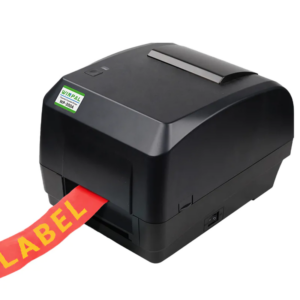
Thermal transfer printing uses a heated ribbon to transfer ink onto various media, including paper and synthetic labels. This process produces durable prints that resist fading, moisture, and abrasion. For warehousing, manufacturing, and asset tracking, thermal transfer technology provides long-lasting readability.
From our experience, a capable thermal printer supplier must ensure precise temperature control and stable ribbon movement to maintain consistent print quality. Although this method involves additional consumables, it supports broader material compatibility. Many thermal printer suppliers offer both technologies to address diverse operational needs, allowing businesses to standardize hardware while adapting consumables.
Choosing the Right Technology with the Right Manufacturing Partner
Selecting between direct thermal and thermal transfer printing is not only about technology but also about manufacturing capability and long-term support. Production scale, quality control, and engineering depth directly influence product reliability. With advanced production lines and strict inspection processes, manufacturing consistency becomes measurable rather than theoretical.
At Winpal, our approach focuses on aligning technology options with real application requirements. As a thermal printer manufacturer, maintaining a defective rate below 0.3% and supporting OEM/ODM customization helps partners deploy suitable solutions efficiently. For global thermal printer suppliers, stable output and flexible development capabilities are essential factors in sustained cooperation.
Conclusion
Understanding the differences between direct thermal and thermal transfer printing helps businesses make informed equipment decisions. Each technology serves distinct operational goals, and selecting the right option depends on application lifespan, environment, and cost structure. Working with experienced thermal printer suppliers ensures these factors are evaluated properly. From our perspective at Winpal, combining manufacturing strength with technical clarity allows us to support partners as a dependable thermal printer manufacturer across varied printing scenarios.