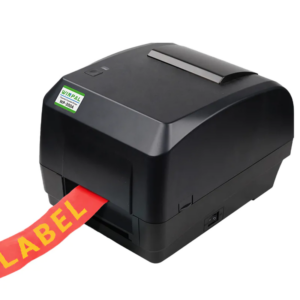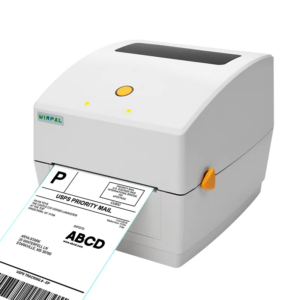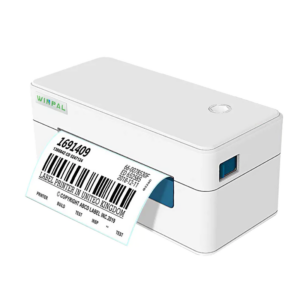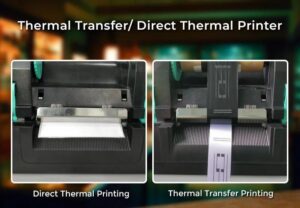
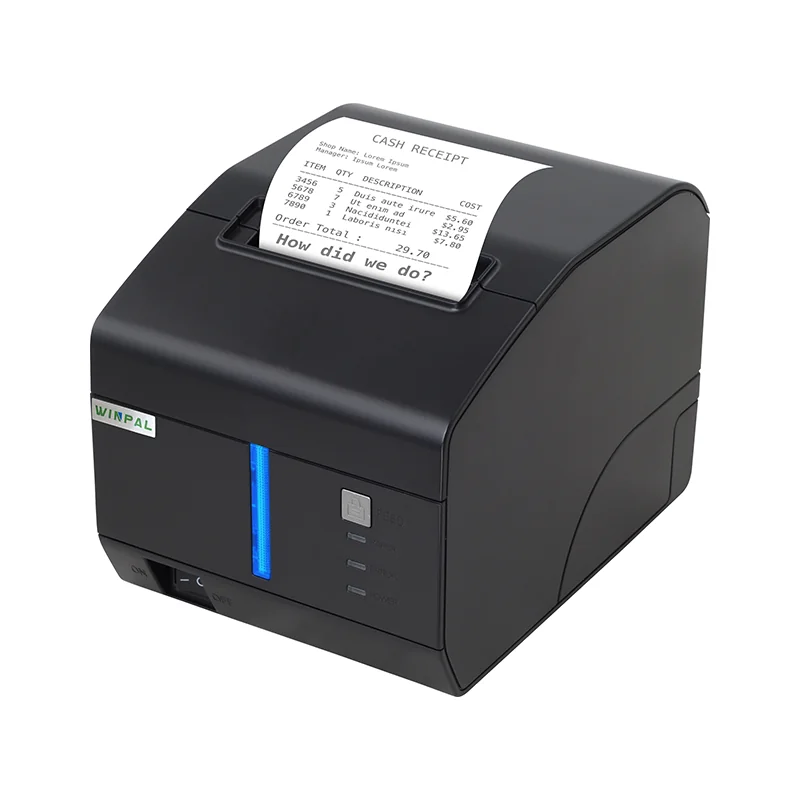
Receipt printing may look simple on the surface, but printer size can significantly influence how smoothly daily operations run. From compact checkout counters to fast-paced kitchen environments, businesses rely on the right 80mm receipt printer to handle order volume and information density. Compared with smaller formats, an 80mm receipt printer allows more content per line, which is especially helpful for detailed orders. In many real-world scenarios, a stable receipt POS printer becomes an essential tool rather than just a peripheral, and this is where our experience at Winpal aligns closely with customer needs.
How Receipt Printer Size Influences Workflow Efficiency
Different receipt printer sizes are designed for different workloads. Smaller printers may suit basic transactions, but they can feel limiting when orders include modifiers, multilingual text, or kitchen instructions. An 80mm receipt printer provides a wider printing area, helping staff read orders quickly and reduce miscommunication.
For businesses managing both front-of-house and back-of-house operations, choosing the right receipt POS printer size directly affects efficiency. Wider paper reduces line wrapping and keeps receipts clear, which matters in environments where speed and accuracy are equally important. From our daily collaboration with partners, we’ve seen how printer size decisions often shape workflow quality more than expected.
Why 80mm Printers Are Common in Kitchen and Service Areas
Kitchen environments place unique demands on hardware. Heat, humidity, and continuous printing require equipment designed for stability. Models like the WP260K are built specifically for these conditions, offering wall-mounted installation that keeps workspaces organized and protected from spills.
The WP260K also adopts new calibration technology to reduce cutter jams, helping kitchen teams avoid interruptions during peak hours. Sound and light alarm functions provide immediate feedback, ensuring orders are noticed as soon as they are printed. In these scenarios, a dependable receipt POS printer supports clear communication between service staff and kitchen teams.
Functional Differences Beyond Paper Width
Printer size is only part of the equation. Functional design plays an equally important role in long-term reliability. Overheating protection for the printer head helps maintain consistent output during continuous use, while online IAP updates allow systems to stay current without complicated maintenance.
These features are especially valuable in an 80mm receipt printer used for kitchen operations, where downtime can affect the entire service flow. At Winpal, we focus on practical design choices that reduce manual intervention and help teams work with greater confidence.
Conclusion
Understanding the differences between receipt printer sizes helps businesses choose tools that truly fit their environment. A well-designed receipt pos printer with 80mm width supports clearer communication, higher efficiency, and smoother collaboration across departments. From our perspective at Winpal, selecting the right printer size is not just a technical decision—it’s a step toward building more reliable and organized daily operations.