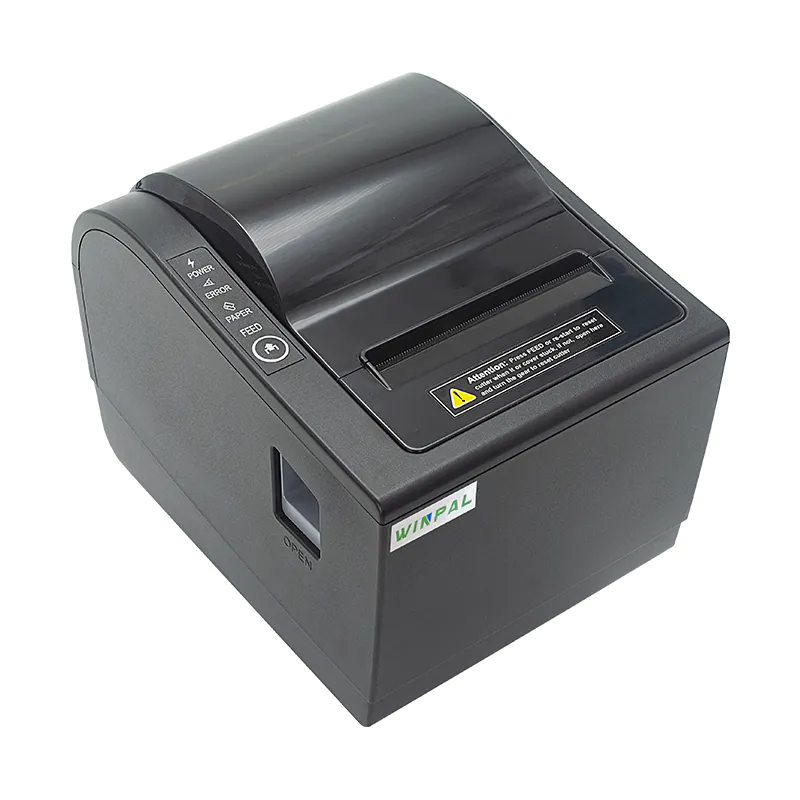
In busy retail and service environments, receipt printing plays a bigger role than most people imagine. As our team at Winpal works with partners from different industries, we see how choosing the right printing method can influence speed, clarity, and overall workflow. Many businesses today compare the functions of a thermal receipt printer and an impact printer to determine which aligns better with their daily operations. With mobile transactions rising, a flexible solution such as our Winpal WP-A1, a compact 80mm device supporting Bluetooth and multiple interfaces, often becomes a strong option.
Understanding the Core Differences in Everyday Use
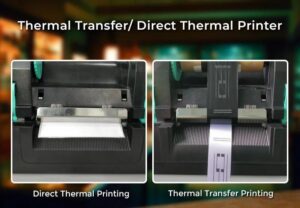
A thermal receipt printer produces images using heat-sensitive paper, eliminating the need for ink ribbons. This allows our Winpal team to design devices that remain compact and quiet. The WP-A1 supports both 58mm and 80mm paper widths and prints at speeds up to 300 mm/s, ideal for quick-service counters and mobile checkout stations. Impact printers, on the other hand, rely on mechanical striking to transfer ink onto paper. These printers can handle multi-layer forms, making them useful for delivery services or environments requiring duplicate copies. Businesses comparing the two often focus on print durability, cost control, and required media types.
How Thermal Printing Elevates Workflow Efficiency
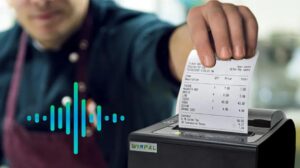
For teams that prioritize smooth and quiet operations, a thermal receipt printer is typically the more convenient choice. At Winpal, we design our devices with wireless performance in mind, especially for users adopting handheld POS systems. The WP-A1 functions not only as a POS receipt printer but also as a mobile tool for on-the-go receipts. Fast firmware updates and high-speed output help reduce wait times, allowing staff to process payments quickly during peak hours. This efficiency often becomes a deciding factor for restaurants, cafés, and retail stores aiming to maintain steady customer flow.
Why Impact Printing Still Serves Specific Business Needs
Despite the advancements in POS receipt printer technology, impact printing maintains relevance in certain fields. The ability to create carbon copies makes impact models suitable for logistics, warehousing, and environments where records must be physically duplicated. Impact printers also perform well in high-temperature or outdoor conditions where heat-sensitive paper may not be ideal. When businesses evaluate both options, it becomes clear that each printing method fits a different operational style rather than one being universally better.
Conclusion
Choosing between a POS receipt printer and an impact printer ultimately depends on workflow expectations and business scenarios. At Winpal, we focus on helping teams find the right match, whether they need mobility, speed, or durability. Devices like the WP-A1 reflect our commitment to providing practical and adaptable POS receipt printer solutions. By understanding everyday requirements, businesses can confidently select the printing technology that supports long-term efficiency and smooth customer interactions.